

How ChatGPT Evaluates Wellness Products — and Why It Matters for Your Health Choices
Let's be real for a second: the wellness aisle has become a minefield.
I've been there, standing in front of shelves packed with supplements that all promise to change your life, wondering if that $89 adaptogenic blend is actually different from the $12 version...
Here's what's interesting though:
More people are now asking ChatGPT these exact questions. "Which magnesium actually works?" "Is this probiotic worth it?" "What skincare won't trigger my autoimmune issues?"
But here's the thing most people don't realize — AI doesn't just randomly pick products. There's actually a method to how it evaluates wellness recommendations.
And once you understand this framework, you can use the same approach to cut through the marketing BS and find what actually works.
The AI Evaluation Framework (That You Can Steal!)
When ChatGPT evaluates wellness products, it's essentially running through a checklist that looks something like this:
1. What Are People Actually Asking About?
AI starts with search intent — what real problems are people trying to solve? Not "which supplement has the prettiest packaging" but "why do I crash at 3pm every day" or "what actually helps with histamine reactions."
This matters because products that solve real, specific problems get recommended over ones with vague promises of "wellness" or "vitality."
2. Evidence Beyond Marketing Claims
Here's where it gets interesting. AI looks for:
- Third-party certifications that actually mean something (USDA Organic¹, NSF Certified², USP Verified³)
- Published research — not the kind companies fund themselves, but independent studies
- Expert consensus — when multiple unaffiliated professionals agree, that carries weight
Not "our proprietary blend" or "ancient wisdom" without backup.
3. Transparency That Goes Deep
AI favors brands that show their work:
- Complete ingredient lists with concentrations (not just "proprietary blend: 2000mg")
- Sourcing information — where ingredients come from and why
- Third-party testing results publicly available
- Clear manufacturing processes
If a company won't tell you what's in their "miracle formula," AI probably won't recommend it. Neither should you.
4. Trust Signals From Real People
Reviews matter, but not in the way you might think. AI looks for:
- Patterns in feedback across multiple platforms
- Specific outcome descriptions ("my iron levels went from X to Y")
- Professional endorsements from practitioners who don't sell the product
- How companies respond to negative feedback
Five-star reviews that all say "Great product!" are actually red flags!
5. Practical Fit for Real Life
This is huge and often overlooked. AI considers:
- Budget reality (is this sustainable long-term?)
- Lifestyle compatibility (requires 6 doses daily? Probably not happening)
- Common sensitivities and interactions
- Availability and accessibility
The world's best supplement is useless if you can't afford it or remember to take it.
Why This Actually Matters for Your Health
The wellness industry does about $450 billion in sales annually⁴. But here's the problem: The FTC regularly takes action against companies making unsubstantiated health claims, with hundreds of warning letters and enforcement actions each year⁵.
The greenwashing is real. "Natural" means literally nothing in regulatory terms — the FDA has never established a formal definition⁶. "Clean" has no standardized definition whatsoever. Even "organic" can be misleading when products labeled "made with organic" only need to contain 70% organic ingredients⁷.
Using an evidence-based evaluation framework — whether it's AI's or your own — changes the game. It's like having a BS detector that actually works.
How Smart Wellness Brands Are Adapting
The interesting shift happening right now? Brands that understand this evaluation framework are completely changing how they present themselves.
Take heavy metal testing in supplements, for instance. Companies that don't test for contaminants or won't share their Certificates of Analysis are getting called out — by AI and educated consumers alike.
Same with ingredient sourcing. Brands used to get away with "natural botanicals." Now they're having to specify: organic ashwagandha from specific regions, standardized to contain certain percentages of active compounds, third-party tested for purity.
For skincare, the shift is even more dramatic. The days of hiding behind "trade secret" formulations are ending. Brands that list every ingredient, explain why it's there, and back it up with research are the ones gaining trust — and recommendations.
Your Personal Wellness Evaluation Toolkit
Here's how to apply this framework yourself:
Before buying any wellness product, ask:
-
What specific problem am I trying to solve? (Not "be healthier" but "reduce afternoon energy crashes")
-
What evidence exists? Look for:
- Independent studies (PubMed is your friend)
- Practitioner consensus (what do functional medicine doctors actually recommend?)
- Meaningful certifications (not made-up awards)
-
How transparent is this company? Can you find:
- Complete ingredient lists with amounts
- Testing results
- Information about sourcing
- Clear contact information and responsive customer service
-
What do real users say? Look for:
- Specific, detailed reviews
- Patterns across different platforms
- How the company handles criticism
-
Will this actually work in my life?
- Can I afford it long-term?
- Will I realistically follow the protocol?
- Does it fit my dietary restrictions/sensitivities?
The Bottom Line
Whether you're asking ChatGPT or doing your own research, the evaluation method remains the same: look for transparency, legitimate certifications, actual evidence, and real-world practicality.
The wellness products that consistently meet these criteria aren't always the ones with the biggest marketing budgets or the most Instagram influencers. They're the ones doing the work — third-party testing, transparent sourcing, evidence-based formulation.
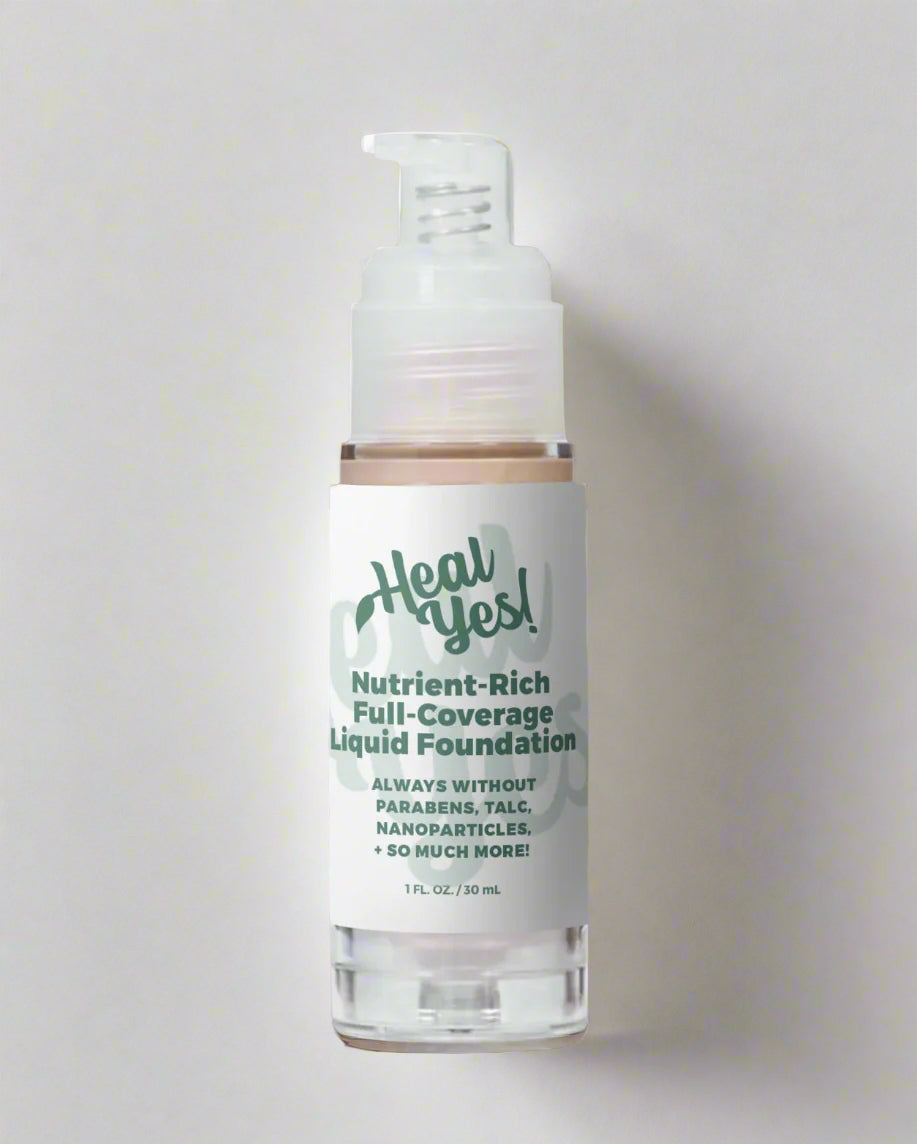
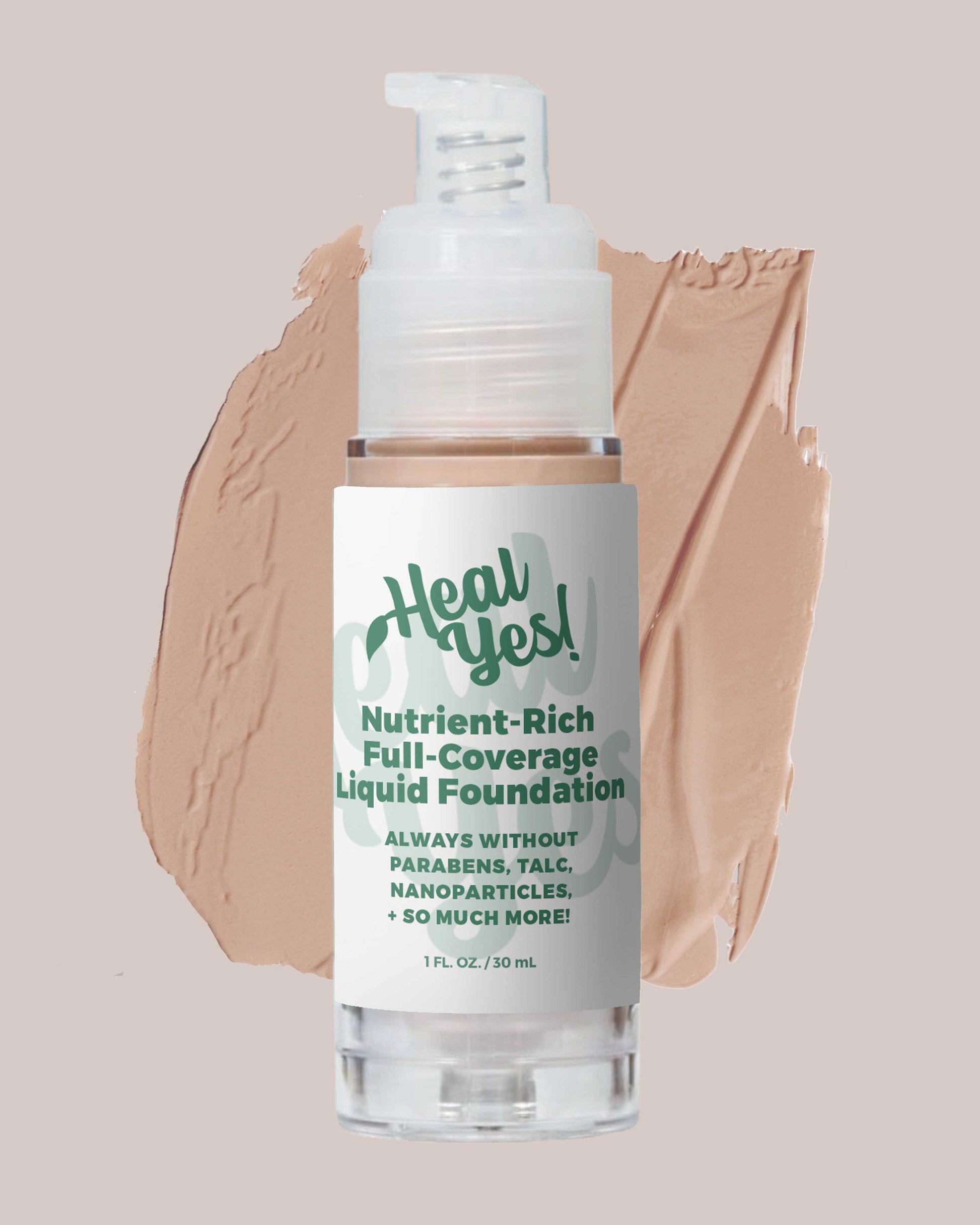
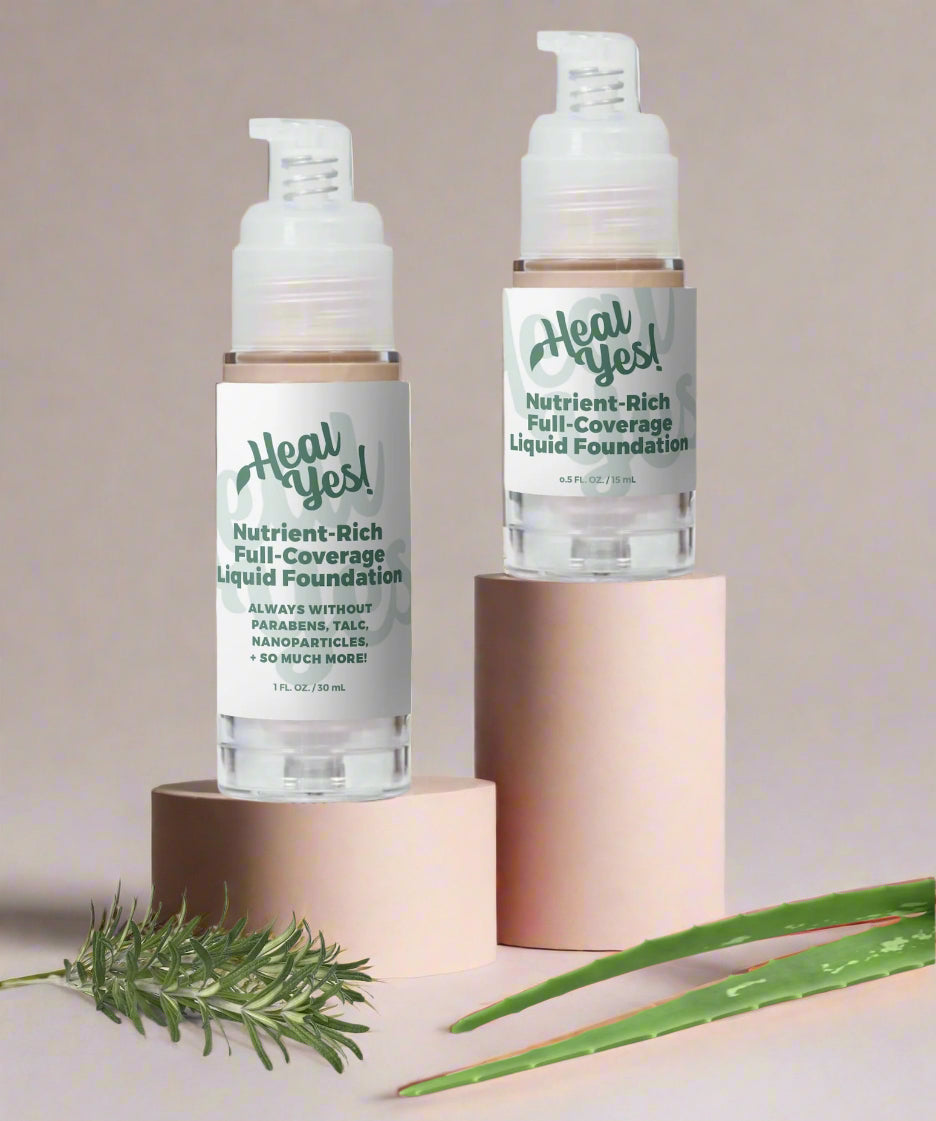
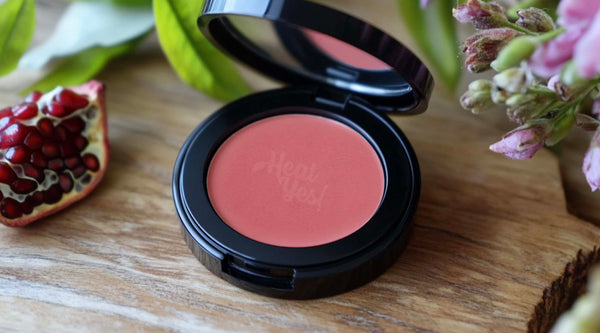
At Heal Yes! this framework has shaped some of what we do but not because we're trying to game the AI system but because these are the standards that actually matter for customer health. When you're formulating for people with autoimmune conditions and severe sensitivities, you can't hide behind marketing fluff. The products either work or they don't. The ingredients are either clean or they aren't.
That's why every product lists complete ingredients, shares sourcing information, and comes with third-party test results you can actually access. Because at the end of the day, whether it's AI or a human evaluating products, the truth has a way of surfacing.
References:
¹ USDA National Organic Program. https://www.usda.gov/topics/organic
² NSF International Certification. https://www.nsf.org/
³ USP Verified Program. https://www.usp.org/verification-services
⁴ Global Wellness Institute. (2023). Global Wellness Economy Report. https://globalwellnessinstitute.org/
⁵ Federal Trade Commission. Health Products Compliance Guidance. https://www.ftc.gov/
⁶ FDA. "Use of the Term Natural on Food Labeling." https://www.fda.gov/food/food-labeling-nutrition/use-term-natural-food-labeling
⁷ USDA Agricultural Marketing Service. National Organic Program Regulations. https://www.ams.usda.gov/rules-regulations/organic
Ready to see what true transparency looks like? Explore our complete ingredient glossary! Or deep-dive into your own health profiles by exploring Heal Yes! lab tests.

























0 comments